Why do So Many New Developments Look the Same (and… Not Great)?
At MicroLife, we benefit from being a nonprofit. People generally trust and understand that our work is mission driven and that builds a level of trust. But let’s be honest: communities often distrust any developers, and developers often expect resistance from communities. This mutual skepticism creates an adversarial dynamic where either one party, or often no one, wins. So why does this cycle exist?
One of the biggest culprits centers around the now ubiquitous “five-over-one” building.
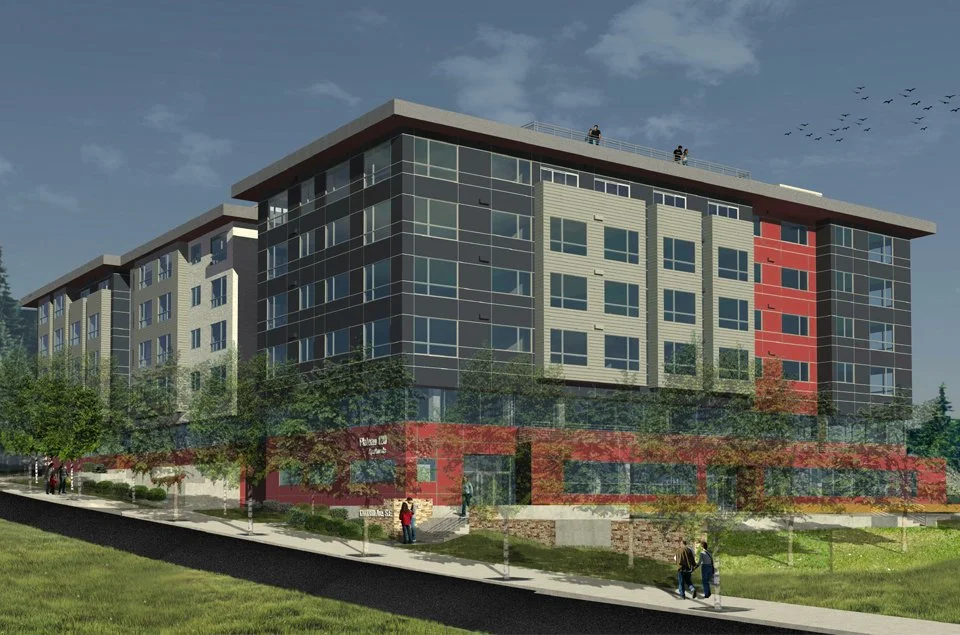
What is A Five-Over-One and why is it Everywhere?
Also called podium buildings, five-over-ones became popular after updates in the early 2000’s to the International Building Code, which allowed up to 5 stories of wood fram construction over a concrete base. This change made it financially viable to build large, dense apartment and condo projects- often 100 units or more, at a relatively low per-unit cost.
From a developer’s perspective, they make sense:
High Density
Lower Construction Cost
Predictable Returns
From a Community’s standpoint? Not always so appealing. These buildings are often:
Overscaled for suburban and transitional neighborhoods
Architecturally repetitive
Associated with concerns about a new, large set of residents taxing traffic, parking and infrastructure
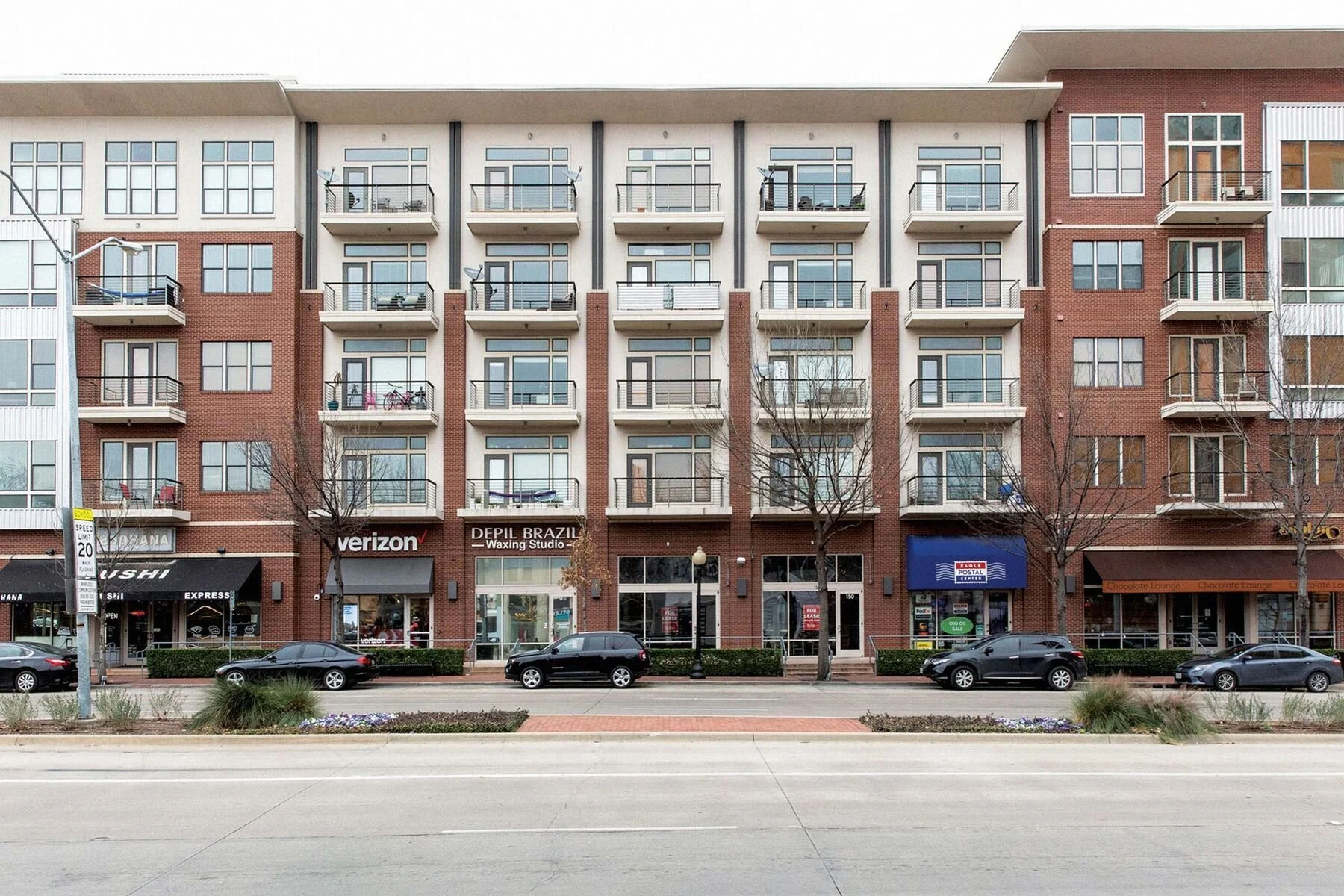
So the question becomes: If people don’t like them, why do we keep building them?
There are alternatives to add density in the ‘Missing Middle’ category. Townhomes, Cottage Courts, duplexes, triplexes and other small multifamily buildings. These housing types are typically:
more in scale with existing neighborhoods
More Community Oriented
More Visually Compatible
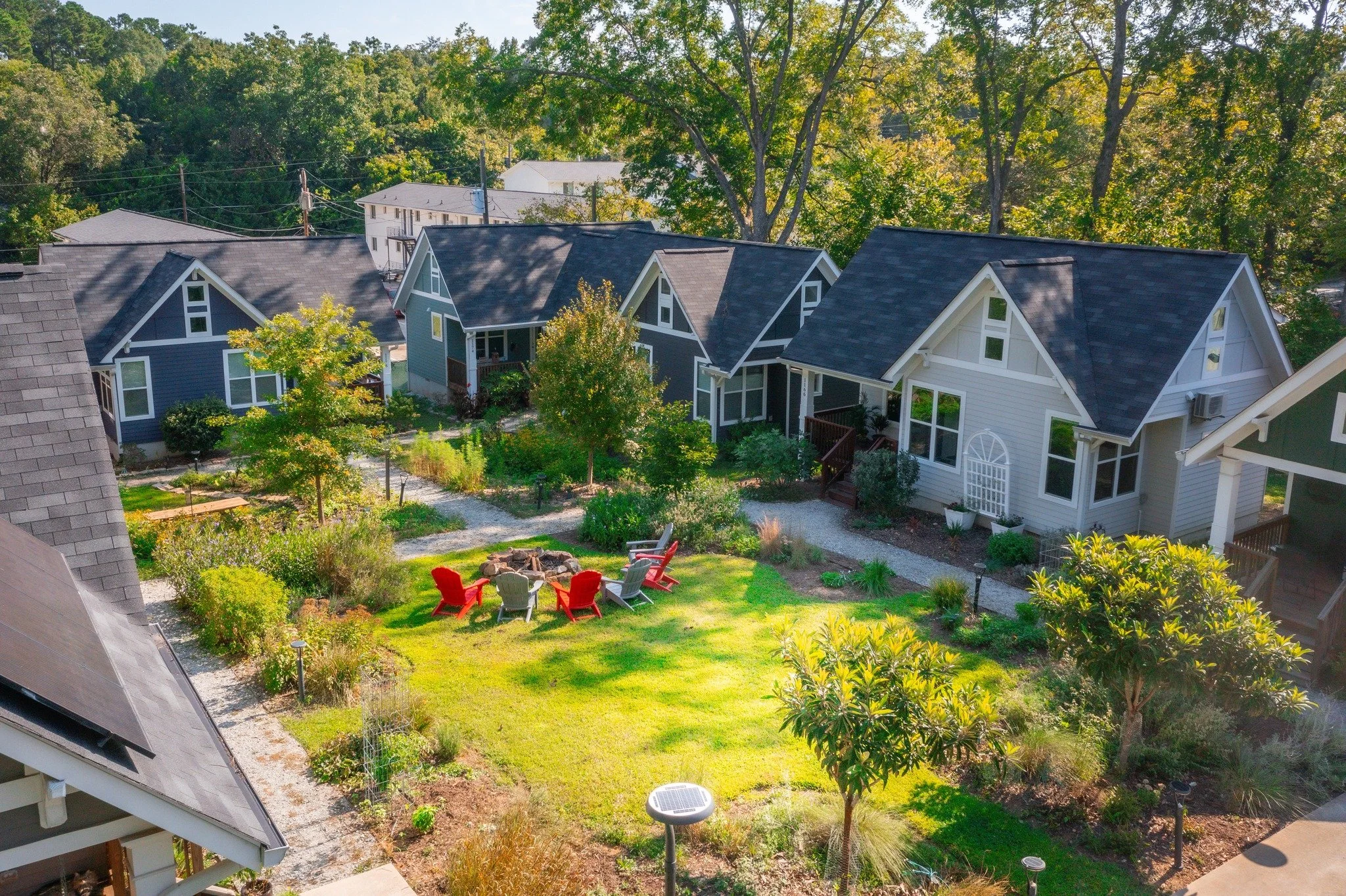
And here’s the kicker: They often cost about the same per-unit to build as larger developments. But they lack the overall volume to make them appealing to larger developers and they are complex enough to scare off most smaller developers. They contain a great deal of risk and friction.
Why We Don’t See More Small-Scale Housing
The reason these types of missing middle developments are so rare comes down to 2 major forces: Zoning and Supply vs. Demand.
Zoning Makes it Hard: Even modest increases in density- like cottages or duplexes- often require rezoning. That means investing predevelopment time and money into building a concept that will go through public hearings with often long timelines, high uncertainty, and frequent opposition. For smaller developers, that risk is often too high. For larger developers, the scale isn’t worth the trouble.
Supply Gets Constrained… Then Explodes: When smaller projects don’t move forward, housing supply stays low. Demand builds and prices rise. Homeowners are happy about their raising values and nothing changes. Eventually, the demand becomes so strong that only large, high-density projects can meet it. And in come the larger developers:
Cities- needing housing- approve them.
Communities react negatively to the new dense developments.
Trust erodes further.
And the cycle repeats.
So How Do We Fix It?
The solution isn’t eliminating bad development, its enabling good development. This starts with efforts possible by the city leadership:
Zoning Reform: Allow Missing Middle housing by-right in more areas. No rezoning means less risk means more small projects.
Streamlined Permitting: Current review processes, especially for site development, are often fragmented and conflicting across internal departments. This leads to lost time, high uncertainty, and higher costs associated with constant revise and review cycles. Cities often forget developer perspectives when they are creating these guidelines- adding large amounts to development budgets for negligent gains.
Pre-Approved Building Plans: Some cities are smartly adopting this idea- reducing architectural costs, speeding up approvals, and lowering the barrier for small developers. It’s also a good way to ensure repeats of good design.
Better Financing Tools: Small projects are often hard to finance. Providing low cost capital through public/private financing tools, housing bonds, and incentives like TAD Funding can become long term investments that expand the tax base and improve community outcomes while enabling smaller, often uncapitalized developers to enter into an otherwise difficult investment market.
Community Education: By the time the Five-Over-One’s show up, its often too late.Communities need to understand why housing diversity matters, what alternatives exist, and how small change can prevent big disruptions.
A Better Path Forward
If we enable smaller, more diverse housing types, we reduce pressure for large, out-of-scale projects. We create more gradual, neighborhood-friendly growth, and we rebuild trust between communities and developers.
At MicroLife, this is why we partner with municipalities- to build pilot projects that show what’s possible. When people can see and experience these developments, they become easier to support, other developers gain confidence in their potential success, and replication becomes possible.
The rise of the Five-Over-One isn’t an accident- its the result of a system that makes them the easiest and least risky option.
To Our Communities: Advocate for thoughtful reform.
To Our Cities: Create Pathways for small-scale development (and call us!)
To Everyone: Lets work together to build places that are more connected, more inclusive, and human scaled.
We can achieve development where everyone wins.